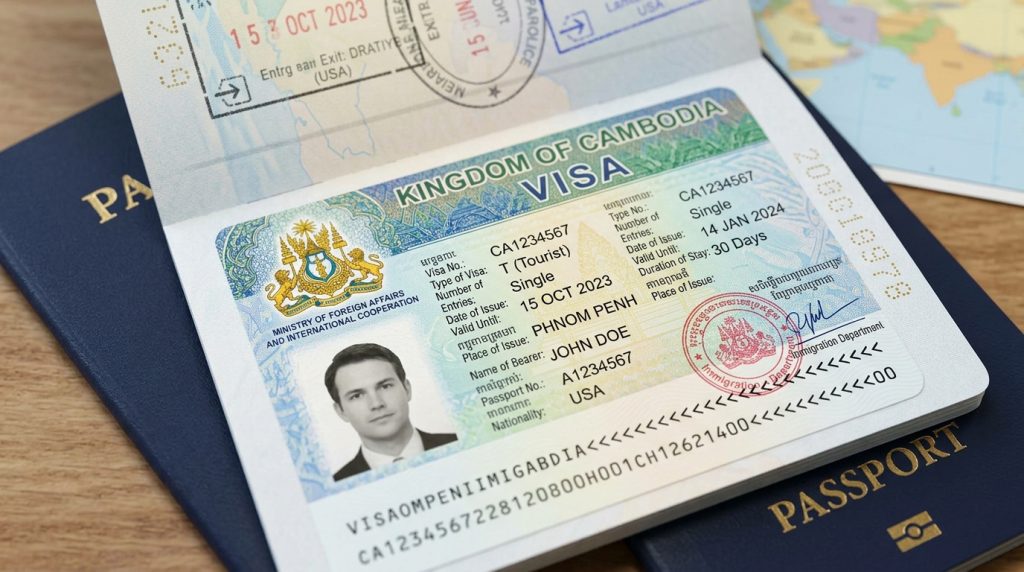
Cambodia remains a jewel of Southeast Asia, drawing visitors from across the globe with its timeless temples, lush landscapes, and the warm hospitality of the Khmer people. As you finalize your travel plans for 2026, understanding the nuances of the visa application process is essential for a stress-free start to your journey. Whether you are visiting for a short-term leisure trip or a professional engagement, being well-prepared will ensure your transition through immigration is swift and smooth.
Understanding Visa Protocols
The landscape of travel documentation can occasionally seem complex, particularly when distinguishing between different types of entry permits. For most tourists, the standard electronic visa or visa-on-arrival processes are straightforward. However, certain specific circumstances or travel statuses—such as diplomatic visits, long-term stays, or particular visa classifications—may necessitate more formal procedures.
If you find yourself navigating these specific requirements, it is crucial to clarify your status well ahead of your travel date. In instances where your travel involves specific official requirements, you might find that a CAMBODIA VISA APPOINTMENT REQUIRED protocol is necessary to ensure your paperwork is processed by the appropriate consular authorities. Always check the current regulations for your nationality and purpose of visit to avoid unnecessary delays at the border.
Professional Journeys: The Business Entry Pathway
Cambodia is increasingly recognized as a dynamic hub for international business, investment, and collaborative projects. Professionals visiting the country to attend meetings, explore market opportunities, or oversee operations must ensure they are traveling on the correct entry permit.
The Ordinary Visa (E-Class) is the standard choice for those entering for work or commercial purposes. Unlike a standard tourist visa, this class is designed to be more flexible, allowing for extensions and transitions depending on your activities within the country. To ensure you have all the necessary documentation—such as local sponsorship letters or proof of employment—it is highly recommended to consult a CAMBODIA BUSINESS VISA resource. This will help you understand the specific requirements regarding company registrations, patent tax copies, and the necessary correspondence between your home entity and your local Cambodian partners.
Essential Preparation for Every Traveler
Regardless of whether you are traveling for leisure or business, three golden rules will ensure your entry process remains seamless:
- Passport Validity: Always ensure your passport is valid for at least six months beyond your planned date of entry. Furthermore, check that you have at least two completely blank pages available for your visa sticker and entry stamps.
- The E-Arrival Card: As of 2026, the Cambodian government mandates that all air travelers complete an electronic e-Arrival card within seven days of their flight. This can be submitted via the official government portal. Printing the resulting QR code or keeping it easily accessible on your mobile device is a requirement that significantly speeds up your time at immigration.
- Digital and Physical Documentation: Keep digital backups of your approved visa, passport bio-page, and accommodation bookings on your phone. Simultaneously, carry physical copies of these documents in your carry-on luggage. In the event of technical issues at an arrival terminal, having physical documentation can prove invaluable.
Cultural Etiquette and Local Tips
Cambodia is a country where respect is the currency of social interaction. When visiting sacred sites, such as the Angkor Archaeological Park, dressing modestly—covering your shoulders and knees—is not just a guideline, but a sign of respect for the local Buddhist traditions.
Additionally, remember that Cambodia operates on a dual-currency system. While the official currency is the Riel, the US Dollar is widely used and accepted. To make your daily transactions easier, carry small-denomination USD notes in crisp, clean condition. Worn, torn, or marked bills are frequently rejected by local vendors. By paying attention to these small cultural and practical details, you demonstrate a level of respect that will undoubtedly enrich your personal experience and ensure that you are welcomed warmly wherever your travels in the Kingdom take you.
