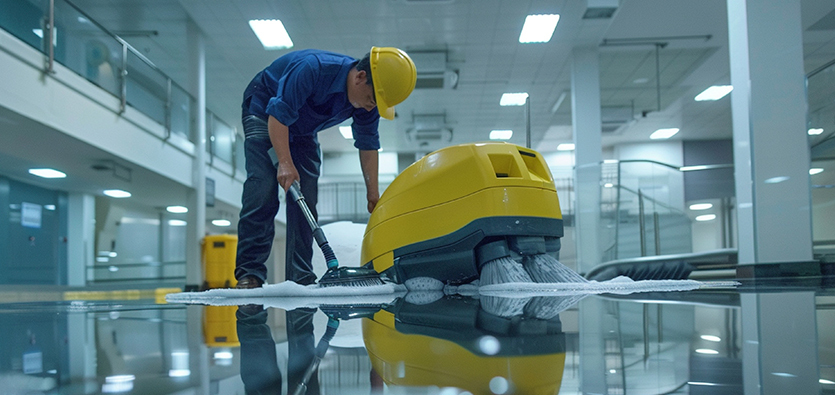
A warehouse floor can look clean at the start of a shift and become dirty again before lunch. Tire marks return, oily patches remain visible, and fine dust settles across the surface. In some areas, the floor may even feel slippery after cleaning.These problems do not always mean employees are careless. Often, the cleaning process does not match the facility. The machine may be too small, the detergent may be too strong, or the operator may rush through high-traffic sections.Using commercial grade cleaning equipment can improve results, but the machine alone cannot solve every problem. Businesses also need the correct brush, chemical, cleaning speed, and maintenance routine.
For New Jersey warehouses, factories, repair facilities, and distribution centers, floor care affects more than appearance. A poor process can increase safety risks, damage floor coatings, waste labor, and shorten equipment life. Here are the mistakes that cause the most trouble and practical ways to correct them.
Why Industrial Floor Cleaning Goes Wrong So Easily
Industrial floors handle conditions that ordinary floors rarely face. Forklifts leave tire marks. Machinery may release oil or grease. Loading doors allow rain, road salt, gravel, and dirt to enter. Meanwhile, employees and equipment carry this material throughout the building. A basic mop cannot collect all that soil effectively. In fact, it may spread greasy residue over a wider area. The floor can appear darker or shinier afterward, yet still remain dirty. This becomes especially noticeable around loading docks, production lines, repair stations, and entrances.
Floor materials also respond differently to cleaning. Sealed concrete may tolerate a method that damages polished concrete. Likewise, an aggressive pad could scratch a coating that requires softer treatment. Before cleaning begins, the team should identify both the surface and the type of soil sitting on it.
Different surfaces need different treatment
Epoxy flooring usually has a protective finish, but harsh brushes can wear it down. Polished concrete may lose its shine if the wrong chemical is used repeatedly. Porous concrete, on the other hand, can hold oil below the surface and may require pretreatment. The mistake is treating every floor the same. A quick surface assessment helps the cleaning team choose the right machine, pad, detergent, and number of passes.
Choosing the Wrong Industrial Cleaning Machine
Picture a worker pushing a small scrubber through a large warehouse. Several hours later, half the building still needs attention. To save time, the operator begins moving faster, leaving streaks and missed sections behind. The machine works, but it does not fit the job. Machine size should match the floor area and layout. A walk-behind scrubber can work well in tight spaces, retail backrooms, and narrow aisles. Larger facilities may need industrial-grade floor cleaning machines with wider cleaning paths and greater tank capacity. Ride-on units can also reduce operator fatigue during long shifts.
Cleaning width is only one factor. Businesses should consider doorways, aisle dimensions, turning space, floor slope, debris volume, and available storage. A machine that cannot move comfortably through the facility will create daily frustration.
Brushes and pads matter too
Two machines of the same size can produce very different results depending on their brushes or pads. Soft pads may work on delicate finishes, while more aggressive options can lift stubborn buildup from durable concrete. Too much aggression can scratch the surface or strip its finish. Too little leaves stains behind. Testing a small section allows the operator to check the result before cleaning the entire facility.
Scrubbing Before Removing Loose Debris
Wet scrubbing should not be the first step when a floor contains cardboard pieces, gravel, metal fragments, dust, or packaging material. Water combines with this debris and creates a muddy mixture. Instead of collecting dirt cleanly, the scrubber may spread it. Sharp pieces can also damage brushes and squeegees. They may block a recovery hose or become trapped beneath a pad, where they can scratch the floor. A few minutes of dry sweeping can prevent a costly repair and produce a much cleaner result.
The practical sequence is simple: inspect the area, remove large objects, sweep loose soil, pretreat stains, scrub the floor, recover the dirty solution, and allow the surface to dry. Facilities with heavy dust may benefit from a separate sweeper before using heavy-duty commercial cleaning tools for wet work.
Operators should pay close attention to corners, rack edges, drains, and spaces beneath equipment. Loose debris often collects in these areas and returns to the main floor through foot or forklift traffic.
Adding Too Much Detergent to the Solution Tank
More soap does not automatically mean more cleaning power. An overly concentrated mixture may leave a sticky film after the water dries. That film then catches fresh dust, making the floor dirty again within hours. Residue can also make the surface slippery. This creates a concern near entrances, turning points, production areas, and other busy locations. Employees may assume the floor is still wet, although the real problem is leftover detergent. Follow the manufacturer’s dilution instructions and measure the chemical instead of guessing. Water temperature and dwell time matter as well. A properly mixed solution needs enough time to loosen grease, but it should not dry on the floor before recovery.
Imagine a New Jersey distribution center during winter. Forklifts carry road salt and moisture inside all day. Adding extra detergent may create a cloudy film rather than removing the buildup. A correctly diluted cleaner, slow scrub pass, and complete water recovery will usually work better.
Strong chemicals can create new problems
An aggressive degreaser may remove oil quickly, yet it can also dull a coating or discolor the surface. Certain products may produce strong odors in enclosed areas or require added ventilation. Before changing chemicals, check the floor manufacturer’s care instructions. Then test the solution in a hidden section. That small step can prevent widespread surface damage.
Moving Too Quickly and Leaving the Floor Wet
Operators sometimes increase machine speed to finish before a shift begins. Unfortunately, faster travel gives the brush less time to loosen embedded dirt. It also reduces the machine’s opportunity to collect dirty water. Stubborn areas may need a slower pass or double scrubbing. During double scrubbing, the first pass applies and agitates the solution without immediate recovery. After a short dwell period, a second pass collects the liquid and remaining soil. This method can improve results on greasy or heavily marked surfaces.
Water left behind is another warning sign. The problem may involve a worn squeegee, blocked hose, full recovery tank, weak vacuum, or incorrect squeegee adjustment. Reliable professional floor-cleaning equipment should leave the surface nearly dry when it is operated and maintained correctly.
Busy areas deserve a separate plan
Entrances, loading docks, forklift routes, and production zones collect dirt faster than low-traffic sections. Giving every area the same number of passes wastes time in clean spaces while neglecting the difficult ones. A zone-based schedule makes more sense. High-use areas can receive daily attention, while quiet storage sections may need less frequent deep cleaning.
Neglecting Operator Training and Machine Maintenance
Even a well-selected scrubber can perform poorly when no one checks it. Worn brushes lose contact with the floor. Damaged squeegees leave water trails. Dirty filters weaken suction, while blocked hoses reduce recovery. Small maintenance issues often grow quietly. An operator may compensate by slowing down, adding chemicals, or making extra passes. Labor costs rise, yet the real problem remains inside the machine.
Staff should know how to fill and empty tanks, select settings, install pads, inspect squeegees, and report unusual sounds. Training also prevents workers from using commercial cleaning machinery on surfaces or debris it was not designed to handle. After each use, the operator should rinse both tanks and inspect the pad or brush. Hoses, filters, and squeegees need regular checks. Battery-powered machines should be charged according to their battery type, not only when the operator remembers.
Keeping a simple maintenance log is useful. It shows recurring problems, helps managers plan service, and reduces the chance of an unexpected breakdown during a busy shift.
Building a Smarter Floor-Care Routine in New Jersey
A useful cleaning plan follows actual floor conditions rather than a generic calendar. Start by mapping heavy-traffic routes, spill-prone areas, entrances, and sections affected by machines. Then assign daily, weekly, and periodic tasks based on risk. New Jersey weather deserves special attention. Rain brings moisture and fine grit indoors. During winter, salt and deicing products can leave pale, abrasive residue. Entrance mats, frequent dry sweeping, and focused cleaning near loading doors can stop this material from spreading.
Daily work may include debris removal, spot treatment, and cleaning busy travel paths. Weekly care can cover larger production and storage zones. Periodic deep cleaning should address embedded stains, corners, floor edges, and buildup that routine passes miss. Equipment availability must also fit the schedule. If a machine regularly needs several hours to cover the facility, managers may need a larger model or a different cleaning path. Renting can make sense for seasonal cleanup, special projects, or occasional deep cleaning.
Pressure King helps New Jersey businesses evaluate cleaning needs, equipment options, maintenance, and repairs. The goal is not simply to use a stronger machine. It is to create a process that produces consistent results without wasting chemicals, labor, or operating time.
Better Floors Start With Better Decisions
Industrial floor cleaning problems rarely come from one dramatic failure. More often, several small mistakes work together. Loose debris remains on the surface, detergent is mixed too strongly, the operator moves too quickly, and a worn squeegee leaves dirty water behind. Correcting those habits can improve appearance, safety, and productivity. It can also protect the floor finish and reduce unnecessary wear on cleaning machines.
Before increasing chemical use or assigning more labor, review the current process. Check whether the machine fits the facility, inspect its condition, and confirm that operators understand each step. A thoughtful routine usually costs less than repeatedly correcting poor results.
FAQs
How often should an industrial floor receive deep cleaning?
The schedule depends on traffic, floor material, weather, and the type of soil present. Busy production areas may need weekly attention, while quieter storage sections can go longer. Daily sweeping and quick spill removal will also reduce the need for frequent deep cleaning.
Which cleaning machine works well in a large warehouse?
Ride-on scrubbers often suit large, open areas because they cover more floor with less operator fatigue. Facilities with significant loose debris may need a sweeper first. A combination machine can handle both tasks where the layout and cleaning conditions support its use.
Why does the floor still look dirty after scrubbing?
The cause could be incorrect detergent, a worn pad, excessive travel speed, or poor dirty-water recovery. Skipping the sweeping stage also creates muddy residue. Inspect the machine and cleaning method before increasing chemical strength or adding extra passes.
