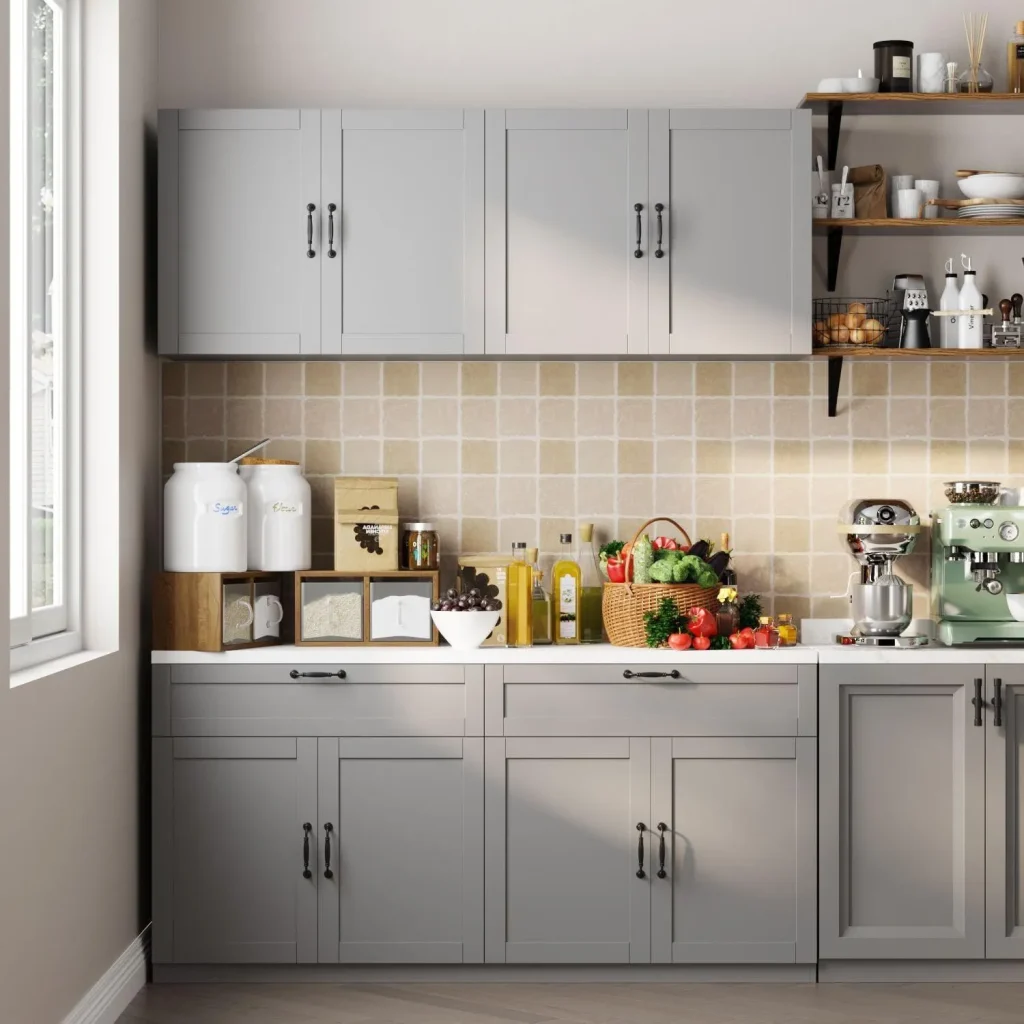
Choosing new kitchen cabinets sounds simple until you begin comparing doors. Suddenly, you face recessed panels, raised centers, smooth fronts, glass inserts, dozens of finishes, and countless hardware choices. Every sample may look attractive on its own, which makes the final decision surprisingly difficult. The right choice must do more than look impressive in a showroom. It should suit your kitchen’s size, match the character of your Milwaukee home, and support your daily routine. A design that works beautifully for a quiet household may frustrate a family with children, pets, and frequent cooking.
Cost also matters. Cabinets represent a large part of most kitchen remodeling budgets. Therefore, you want a design that will still feel comfortable several years from now. This guide compares today’s leading kitchen cabinet designs and shows you how to narrow your choices without becoming overwhelmed.
Why Cabinet Design Changes the Entire Feel of a Kitchen
Cabinet doors cover a large amount of visible space. Their lines, colors, and details naturally shape the room’s personality. Smooth doors can make a compact kitchen appear calmer, while decorative panels add depth and traditional character. Door design also changes how other features look. For example, a bold countertop may feel balanced beside a simple cabinet front. Place that same countertop beside ornate doors, decorative hardware, and a patterned backsplash, and the kitchen may start to feel crowded.
Practical differences matter as well. Deep grooves and detailed trim can collect grease and dust. Smooth fronts are easier to wipe, although fingerprints may appear more clearly on dark or glossy finishes. As a result, your preferred appearance should be balanced with the amount of cleaning you are willing to do. Before selecting a door, step back and study the whole room. Consider the flooring, wall color, natural light, appliances, and nearby living areas. Your choice should connect these features instead of competing with them.
Popular Cabinet Designs Worth Considering
You do not need to study every door ever produced. Most homeowners can make a confident decision by comparing five widely used designs.
Shaker Cabinets
Shaker doors have a recessed center panel surrounded by a clean rectangular frame. Their simple structure creates enough detail to feel welcoming without becoming overly decorative. This balance allows them to work in traditional, transitional, farmhouse, and lightly modern interiors. Their flexibility also makes future updates easier. You can change the handles, wall color, backsplash, or countertop without replacing every door. White and light gray Shaker cabinets create a bright look, while wood tones bring warmth and natural texture.
Cleaning the edges takes slightly more effort than wiping a flat door. Still, the construction has fewer grooves than most ornate designs. For a household seeking versatile Shaker cabinetry, that minor maintenance is usually manageable.
Flat-Panel Cabinets
Flat-panel doors, also known as slab fronts, have a smooth surface without a raised or recessed center. Their straight lines work especially well in contemporary condos, open-plan homes, and smaller urban kitchens. Because these doors have little visual detail, they allow other materials to stand out. Wood grain, dramatic stone, matte colors, and streamlined handles can become the main design features. Handleless versions create an even cleaner appearance.
The smooth surface is easy to clean. However, glossy fronts and dark solid colors can reveal fingerprints. A textured wood finish or soft matte surface may hide everyday marks more successfully. This small detail can make a major difference in a busy household.
Raised-Panel Cabinets
Raised-panel doors feature a center section that sits above the surrounding frame. Some have gentle curves, decorative edges, or detailed molding. They suit classic interiors, larger kitchens, and homes with traditional architectural features. These doors create depth and a more formal atmosphere. Warm wood stains often highlight their construction, although painted options can create a softer result. They pair naturally with detailed crown molding, traditional handles, and stone countertops.
Yet visual weight deserves attention. In a narrow kitchen with limited daylight, dark raised panels may make the room feel tighter. Their extra edges also require more cleaning. They work best when the room has enough space to support the added detail.
Recessed-Panel Cabinets
Recessed-panel doors share some features with Shaker doors, but their frames and inner edges may include additional shaping. They offer more personality than slab fronts without reaching the formal appearance of raised-panel cabinetry. This option fits transitional kitchens particularly well. It can connect traditional flooring or architecture with newer appliances and simple countertops. In other words, it offers character without demanding that every feature follow one strict theme.
Among today’s popular kitchen cabinet styles, recessed panels are useful for homeowners who want a familiar design with slightly more detail than standard Shaker doors.
Glass-Front Cabinets: Best Used as an Accent
Glass doors create openness and break up long rows of solid cabinetry. They work well above a beverage station, near a dining area, or on a small group of upper cabinets. However, everything behind the glass remains visible. Neatly arranged dinnerware can become part of the design, while mixed food containers may create clutter. Frosted, ribbed, or textured glass provides more privacy than a completely clear panel.
Instead of installing glass across the entire kitchen, use it selectively. Two or three well-positioned doors usually provide visual interest without adding pressure to keep every shelf perfectly arranged.
How to Match Cabinet Styles With Your Milwaukee Home
Milwaukee includes older houses, compact city properties, mid-century homes, condos, and newer open layouts. A cabinet sample cannot tell you how it will relate to your property’s character. You need to examine the surrounding architecture. In an older house with original woodwork, warm Shaker or understated recessed-panel doors can respect the existing features without making the room look dated. A detailed raised-panel design may also fit, especially when the kitchen has high ceilings and generous natural light.
For a newer home or city condo, slab fronts can create a crisp appearance. Narrow-frame Shaker doors provide another option when a completely flat surface feels too minimal. These modern cabinet door choices can make a small room feel less visually busy. A transitional Milwaukee home offers greater freedom. You might combine simple recessed doors with a warm finish, updated hardware, and a clean backsplash. This approach connects familiar architectural details with modern convenience.
Pay attention to the rooms beside the kitchen too. An open layout should feel connected from one space to the next. The cabinets do not need to match your furniture exactly, but the colors, materials, and level of detail should feel related.
Let Your Daily Routine Guide the Final Choice
Imagine two households. The first includes young children, frequent family meals, and a dog that passes through the kitchen all day. The second belongs to someone who cooks occasionally and prefers a polished, minimalist room. Those households may need very different cabinets.
For active families, durable finishes and easy-care cabinetry options often matter more than decorative trim. Medium wood tones, textured surfaces, and soft neutral colors can hide small marks. Simple doors also make routine cleaning quicker.
If you enjoy cooking, inspect how easily you can clean the area around the range. Grease can settle inside detailed edges. Repeatedly scrubbing narrow grooves may become annoying, even if the doors looked beautiful at first. Storage habits deserve similar attention. Glass fronts suit people who enjoy arranging dishes. They may not suit someone who prefers to place groceries on a shelf quickly and close the door. Be honest about your habits. Your kitchen should support your real routine, not an ideal version of it.
Long-term plans also influence the decision. If you expect to sell within a few years, a flexible design with broad appeal may be sensible. If this is your long-term home, personal comfort can carry more weight.
Mistakes That Can Make the Right Cabinet Look Wrong
A cabinet design may be attractive but still fail within the complete room. The problem often begins when someone chooses doors before confirming the countertop, flooring, lighting, and backsplash.
Too many strong features can compete for attention. Imagine decorative raised doors beside heavily patterned stone, detailed tile, elaborate handles, and dark flooring. Each item may look impressive separately, yet together they create visual noise. Decide which feature should lead, then let the others support it. Color samples cause another common problem. Showroom lighting can make a finish appear warmer, cooler, lighter, or darker than it will at home. Bring a sample into your kitchen and view it during the morning, afternoon, and evening. Place it beside the actual flooring and countertop if possible.
Do not overlook physical clearances. Thick handles may hit nearby walls. Wide doors can interfere with appliances, and corner cabinets may clash when opened together. These issues relate to planning rather than appearance, but they strongly affect daily satisfaction. Price should not make the decision alone. An inexpensive door may cost more later if the finish chips, hinges loosen, or construction fails. Compare the door material, box construction, hardware, warranty, and installation requirements—not just the displayed price.
A Quick Comparison Makes the Decision Easier
Use this comparison to remove options that do not suit your room or routine.
| Design | Overall appearance | Cleaning effort | Works especially well in |
| Shaker | Simple and balanced | Low to moderate | Transitional and flexible interiors |
| Flat panel | Sleek and minimal | Low | Modern homes, condos, and small kitchens |
| Raised panel | Detailed and formal | Higher | Traditional homes and spacious rooms |
| Recessed panel | Warm and moderately detailed | Moderate | Transitional and classic interiors |
| Glass front | Open and decorative | Moderate | Display areas and selected upper cabinets |
Once you have two or three cabinet door style options, ask three practical questions:
- Does this design suit the character and size of my home?
- Can it handle the way my household cooks, cleans, and stores items?
- Will I still enjoy its color and detail after current trends change?
Next, create a small sample board. Include the door finish, countertop, flooring, backsplash, paint color, and hardware. Seeing the materials together reveals clashes that individual samples may hide.
Cabinets MKE can help Milwaukee homeowners compare these details within a complete kitchen plan. Professional input is especially useful when your favorite style conflicts with the room’s dimensions, lighting, or storage requirements.
Choose a Design You Will Enjoy Living With
The right cabinet style sits at the meeting point of appearance and daily function. Shaker doors offer flexibility, flat panels create a clean modern look, and raised panels bring traditional depth. Recessed fronts provide a comfortable middle ground, while glass doors add interest in carefully selected areas. Do not rush because one showroom display catches your attention. Study your kitchen, compare full-size samples, and consider how much maintenance each finish requires. A beautiful cabinet that frustrates you every day is not the right choice.
For a Milwaukee kitchen, the strongest decision will respect the home’s character while making everyday tasks easier. Select a design that feels natural in the room, supports your routine, and gives you confidence about the years ahead.
Frequently Asked Questions
Which cabinet design works with most kitchen interiors?
Shaker doors work with the widest range of interiors. Their clean frame provides some character without looking heavily traditional. You can pair them with modern handles, classic hardware, painted finishes, or natural wood, making future design changes easier.
Are flat-panel cabinets difficult to keep clean?
Their smooth fronts are generally easy to wipe because they have no grooves that trap dust or grease. However, fingerprints may appear more clearly on glossy or dark surfaces. Matte, textured, and wood-grain finishes usually conceal everyday marks more effectively.
Should cabinets match the style of an older home?
They should respect the home’s character, but they do not need to copy its original design. Simple recessed or Shaker doors can complement older architecture while supporting modern appliances, storage needs, and easier cleaning
