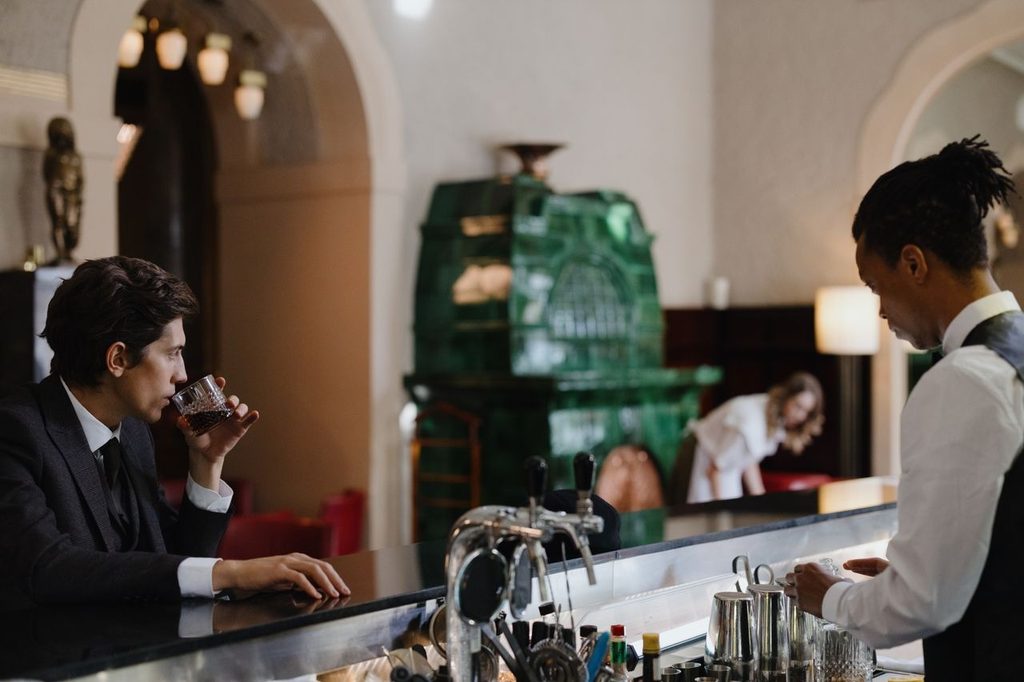
A wedding bar can become an important part of the reception experience, giving guests a place to gather, socialize, and enjoy thoughtfully selected beverages. However, creating a successful bar involves more than choosing drinks. Guest numbers, service style, menu design, staffing, venue logistics, and responsible alcohol service all need to work together. Understanding these elements before the wedding can help couples build a beverage plan that complements the celebration without creating unnecessary delays or complications. A wedding bar catering service can cover different levels of support, from bartending and setup to complete beverage planning, depending on the needs of the event.
What Does Wedding Bar Catering Include?
A wedding bar catering service can encompass several services that support beverage preparation and service throughout the celebration. Depending on the arrangement, this may include bartenders, bar equipment, glassware, mixers, ice, garnishes, beverage stations, setup, and breakdown.
Some services provide a complete bar program, while others focus specifically on staffing or equipment. For example, mobile bar providers may handle alcohol procurement, setup, service, and breakdown as part of their packages.
Before booking a service, couples should establish exactly what is included. A written agreement can clarify responsibilities for beverages, equipment, staffing, transportation, cleanup, and venue coordination.
Determine the Right Bar Format
The type of bar should reflect the wedding’s schedule, guest profile, venue, and overall format. Several options are commonly used.
Full-Service Bar
A wedding bar catering service can offer a broad selection of spirits, wine, beer, mixers, and cocktails. It generally requires more equipment, ingredients, and trained staff than a limited setup.
This format can be appropriate for longer receptions where beverages are expected to remain available throughout the event.
Limited Bar
A wedding bar catering service focuses on a smaller selection of drinks. Couples may choose a few spirits, wines, beers, or signature cocktails instead of offering a complete range.
Limiting the menu can simplify inventory and help bartenders serve guests more efficiently.
Signature Cocktail Bar
Signature cocktails can give the wedding beverage menu a personal element. Couples can select drinks inspired by their preferences, wedding theme, season, or cultural background.
A smaller cocktail menu may also help bartenders maintain consistency during busy service periods.
Non-Alcoholic Bar
A wedding bar does not have to revolve entirely around alcohol. Mocktails, sparkling water, fresh juices, iced tea, coffee, and other non-alcoholic beverages can give every guest appealing choices.
Including sophisticated alcohol-free drinks is particularly useful for guests who do not drink, designated drivers, younger attendees, and people who simply prefer non-alcoholic options.
Plan the Beverage Menu Carefully
A good wedding beverage menu should provide variety without making service unnecessarily complicated. Start by considering the meal, season, time of day, and guest preferences.
For a summer reception, refreshing drinks and lighter beverages may be suitable, while a winter wedding could accommodate richer flavors and warm non-alcoholic options.
The menu should also complement the food. For example, sparkling wine can work well during a reception toast, while cocktails with fresh or acidic ingredients can provide contrast to rich foods.
Avoid creating an excessively large cocktail list. Each additional drink can require separate ingredients, glassware, garnishes, preparation methods, and staff training.
Consider Guest Numbers and Staffing
Guest numbers directly influence how many bartenders and service stations may be required. A single bar serving a large crowd can create long queues, particularly during cocktail hour or immediately after the ceremony.
Staffing should account for the number of guests, service duration, menu complexity, and expected demand. High-volume events benefit from efficient layouts and clearly defined responsibilities.
A professional wedding bar team may also manage setup, service, and breakdown. Industry wedding-bar guidance commonly recommends planning service around high-volume moments and transitions between ceremony, cocktail hour, reception, and late-night activities.
Coordinate the Bar With the Wedding Timeline
Bar service should be integrated into the overall event schedule rather than treated as a separate element.
For example, drinks may be available immediately after the ceremony while photographs take place. During the reception, the bar can remain accessible while meals, speeches, and entertainment are scheduled around it.
The transition between service periods should be planned in advance. If a signature cocktail is intended for a toast, the team needs enough time to prepare and distribute it efficiently.
A detailed timeline can include:
- Bar setup and equipment checks
- Guest arrival
- Cocktail service
- Meal service
- Toasts and speeches
- Reception bar service
- Late-night refreshments
- Closing and cleanup
Check Venue Requirements
The venue can impose specific rules that affect bar planning. Before making arrangements, confirm whether outside bartenders are permitted, where the bar can be installed, what equipment is available, and who is responsible for alcohol-related compliance.
Local alcohol regulations also vary by location. Requirements may involve permits, licensed service providers, insurance, or venue-specific policies. These details should be verified well before the wedding date rather than left until the final planning stages.
The physical layout matters too. The bar should be easy for guests to locate without obstructing entrances, dining areas, dance floors, or emergency pathways.
Think About Responsible Service
Responsible alcohol service is an essential part of wedding planning. Professional bartenders should understand responsible serving practices and know how to manage situations involving intoxicated guests.
Hosts can also provide plenty of water and non-alcoholic choices throughout the event. Transportation planning is another important consideration when alcohol is being served.
A thoughtful approach to alcohol service protects guests while allowing the celebration to remain enjoyable and well organized.
Consider Presentation and Accessibility
The appearance of the bar should complement the wedding without compromising functionality. The design can coordinate with the venue’s décor through appropriate signage, glassware, lighting, and serving arrangements.
At the same time, presentation should not make the bar difficult to use. Menus should be easy to read, popular drinks should be clearly identified, and the service area should provide enough room for bartenders to work efficiently.
Accessibility should also be considered when selecting the bar location and layout. Guests should be able to approach and leave the service area comfortably.
Integrate Bar Service With Other Catering
Food and beverages should be planned together because guest demand changes throughout the wedding. Cocktail hour may require quick appetizers and drinks, while dinner service may temporarily reduce bar traffic.
Coordinating the two services can improve the overall flow of the event. It also helps determine where beverage stations, food stations, tables, and service staff should be positioned.
Conclusion
Planning a wedding bar requires attention to more than the drinks themselves. The service format, menu, staffing, venue restrictions, timeline, responsible service practices, and guest preferences all contribute to a successful setup. This broader approach is useful because events catering often involves coordinating multiple food and beverage requirements rather than treating each service as an isolated element. A well-planned beverage service should fit naturally into the wedding schedule, offer suitable choices for different guests, and allow bartenders to work efficiently during busy periods. With careful coordination, the bar can support the celebration while remaining practical, accessible, and enjoyable for everyone.
