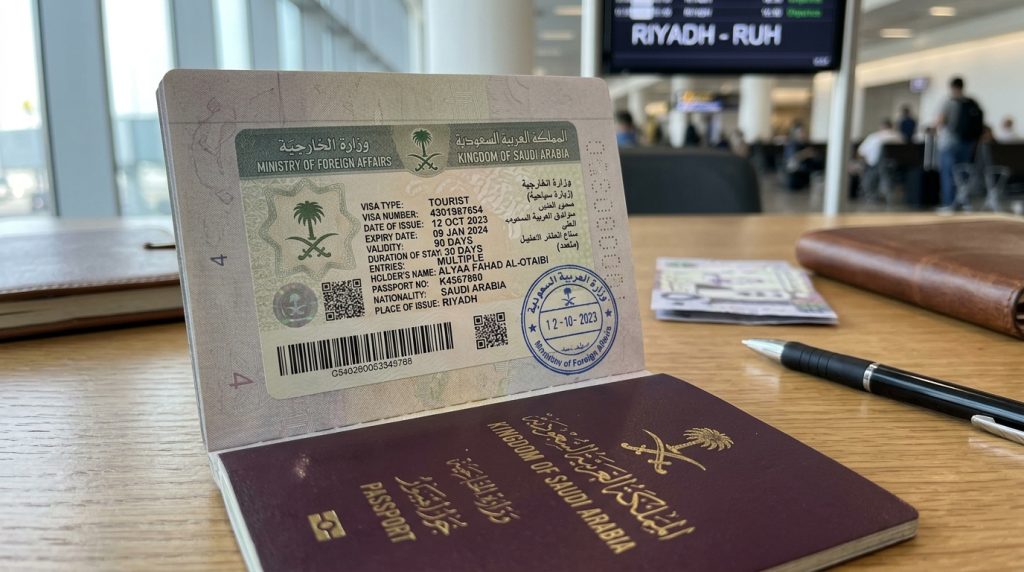
The Kingdom of Saudi Arabia is experiencing a historic transformation in its global tourism sector. Driven by the strategic economic blueprints of Vision 2030, the nation has shifted from a traditionally restrictive entry landscape into an incredibly welcoming destination for international travelers. While air travel remains a massive pipeline for incoming visitors, maritime tourism is emerging as one of the most dynamic frontiers of this expansion. The luxury cruise industry has officially anchored in the Red Sea and the Arabian Gulf, introducing global explorers to the country’s ancient heritage sites and untouched coastal biomes.
To support this rising tide of seafaring visitors, the Saudi government has introduced specialized immigration tracks and optimized various border infrastructure networks. For cruise passengers and international tourists looking to plan a multi-port itinerary, understanding the mechanisms of maritime travel authorizations alongside the layout of the country’s authorized entry checkpoints is the foundation of a seamless journey.
The Evolution of the Sea Transit Visa Framework
Historically, stopping at a port on the Arabian Peninsula required navigating standard, intensive visa tracks that were primarily optimized for long-term stays or air arrivals. Recognizing the rapid operational paste of cruise lines, immigration authorities engineered a targeted solution to facilitate short-term shore excursions.
For travelers arriving on luxury ocean liners, the introduction of a dedicated SAUDI ARABIA CRUISE TOURIST VISA—frequently managed through automated electronic sea transit systems—has completely eliminated legacy bureaucratic friction. This electronic travel authorization is specifically built for passengers whose itineraries include brief maritime stops at local ports.
The digital framework allows travelers to complete their mandatory security validations online well in advance of embarkation. Once approved, the sea transit credentials link electronically to the passenger’s passport, granting the legal right to step off the cruise ship, join guided historical excursions, and experience local cultural heritage during the ship’s docking window. This ensures that when the vessel drops anchor, tourists can spend less time waiting in long immigration lines and more time exploring the destination.
Mapping the Kingdom’s Strategic Entry Gateways
A critical element of planning any international voyage to the region is knowing exactly where your vessel can interface with local border authorities. The country boasts vast coastlines on both its western and eastern borders, requiring a highly organized network of maritime, air, and land checkpoints.
Reviewing a comprehensive directory of SAUDI ARABIA ENTRY PORTS FOR TOURISTS before departure allows travelers to accurately trace their travel routes. Depending on the mode of transport, the Kingdom opens distinct, state-of-the-art gateways:
1. Premium Maritime Seaports
The maritime entry points are designed to handle both heavy industrial trade and massive luxury cruise ships. On the Red Sea coast, Jeddah Islamic Port serves as the central western gateway, offering immediate transit access to the historic streets of Al-Balad and serving as a crucial terminal for regional maritime routes. Complementing it on the eastern side is King Abdulaziz Port in Dammam, the largest and busiest merchant and cruise-capable hub on the Arabian Gulf, connecting sea travelers directly to the cultural highlights of the Eastern Province.
2. International Aviation Hubs
For cruise passengers booking “fly-cruise” packages—where they fly into the country to board a vessel—the major air portals provide flawless electronic visa processing. Key points include King Khalid International Airport (RUH) in Riyadh, King Abdulaziz International Airport (JED) in Jeddah, and Prince Mohammed Bin Abdulaziz International Airport (MED) in Madinah, all equipped with instant digital kiosks to handle incoming tourist traffic.
3. Land Border Checkpoints
For regional tourists exploring the peninsula by car or coach, advanced land border crossing points facilitate swift movement. The iconic King Fahd Causeway connects travelers originating from Bahrain to the eastern city of Khobar, while the high-traffic Al Batha Border Crossing serves as the primary land gateway for individuals driving into the Kingdom from the United Arab Emirates.
Essential Compliance Protocols for Seafaring Visitors
While the digitization of maritime transit visas provides exceptional speed and convenience, border control authorities enforce precise compliance standards to ensure national safety. To guarantee an unhindered transition when moving from ship to shore, cruise passengers should follow these critical operational rules:
- Passport Expiration Alignment: Your physical passport must possess a minimum validity period of at least six months from the specific calendar date your cruise liner enters Saudi territorial waters.
- Itinerary Verification: Travelers must present official documentation from their cruise operator confirming their valid booking, designated cabin allocation, and the precise sequence of scheduled port stops along the coast.
- Mandatory Local Health Safeguards: Just like standard tourist authorizations, maritime transit visas automatically integrate local medical insurance into their framework. This ensures that if a tourist requires immediate emergency medical attention while on shore, they are fully covered across all regional hospital networks.
A Bold Horizon for Global Voyagers
The dual integration of rapid cruise transit visa systems and highly modernized port infrastructures stands as a powerful testament to the Kingdom’s dedication to global tourism. By aligning modern electronic border systems with world-class maritime and aviation terminals, the nation has minimized the stress of international travel logistics. Armed with the proper digital documentation and a clear map of their entry ports, modern global travelers can step off the gangway with complete confidence, ready to immerse themselves in a secure, enriching, and unforgettable Arabian voyage.
